
Most people expect climbing to be more expensive than it actually is.
Before ever stepping into a climbing gym, beginners usually picture a long list of required gear, expensive coaching, and complicated memberships. From the outside, climbing can feel like one of those activities that’s difficult to access unless you’re already deeply involved in it.
The reality is usually much simpler.
For most people exploring rock climbing in Miami, the cost depends less on climbing itself and more on how they want to experience it. Some people want occasional group classes and a fun way to stay active. Others want structured coaching and faster technical progression.
Both approaches exist, and both create very different experiences.
And honestly, most beginners end up spending far less getting started than they originally expected.
Most Beginners Don’t Need Intensive Coaching Immediately
A lot of newer climbers assume they need private instruction right away to improve quickly.
Usually, they don’t.
Most people improve dramatically during the first few months simply because climbing itself teaches awareness faster than expected. Beginners start noticing how pacing affects endurance, how balance changes movement, and how much energy they waste over-gripping holds unnecessarily.
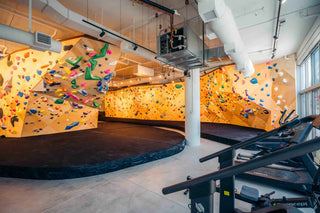
At Las Rocas Climbing & Fitness in South Miami, many first-time climbers are surprised by how approachable beginner classes feel once they actually start climbing.
The hardest part for most people is not the climbing itself.
It’s walking through the door for the first time.
Group Classes Usually Offer the Best Starting Value
For newer climbers, group instruction is often the most practical place to start.
The cost stays lower because coaching is shared across multiple climbers, but that doesn’t reduce the overall value of the experience. In many cases, group environments actually help people stay more consistent.
Climbing can feel mentally uncomfortable before it feels physically comfortable. Beginners hesitate. They overthink routes. They get frustrated by awkward movement.
Then they realize everyone else is dealing with the same thing.
That shared experience changes the atmosphere quickly.
For climbers throughout Coral Gables, Pinecrest, and Coconut Grove trying indoor climbing for the first time, group classes usually provide enough structure to improve without making the experience feel overly serious or intimidating.
And honestly, that’s usually what keeps people returning consistently.
Private Lessons Cost More — But They Solve Different Problems
Private climbing instruction changes the pace of learning significantly.
Instead of general coaching, the focus becomes completely individualized:
-
movement correction
-
pacing
-
body positioning
-
route reading
-
technical habits
An experienced coach can usually identify inefficient movement patterns almost immediately.
Sometimes the corrections are surprisingly small:
-
slowing movement down
-
trusting footholds earlier
-
adjusting hip positioning
-
reducing unnecessary tension
But those small adjustments often make climbing feel dramatically easier.
Private coaching tends to work especially well for climbers who:
-
want faster progression
-
feel stuck at a plateau
-
prefer one-on-one learning
-
want highly specific feedback
Some beginners also simply feel more comfortable learning privately before joining larger class environments. That’s more common than people think.
As discussed in our guide on group vs private rock climbing lessons, the better value usually depends more on learning style than experience level.
Memberships Start Making Sense Once Climbing Becomes Routine
One thing newer climbers underestimate is how quickly consistency changes progress.
Climbing once every few weeks feels completely different than climbing regularly.
That’s where memberships usually become valuable.
A rock climbing gym membership often includes:
-
unlimited climbing access
-
discounted instruction
-
fitness and recovery spaces
-
community events
-
ongoing training opportunities
And honestly, memberships tend to help people improve faster simply because they remove the mental barrier of deciding whether each individual session feels “worth paying for.”
Once climbing becomes part of someone’s weekly rhythm, progression usually starts happening naturally.
What People Are Actually Paying For
This is the part many beginners misunderstand initially.
People assume they’re mostly paying for wall access.
In reality, they’re paying for:
-
instruction
-
coaching
-
movement correction
-
progression structure
-
safety guidance
-
consistency
-
environment
And the environment matters more than most people expect.
A climbing gym that feels supportive, approachable, and community-driven usually keeps people engaged much longer than one that feels overly intimidating or performance-focused.
That’s part of why indoor climbing continues growing throughout Miami and South Miami. Compared to traditional gyms, climbing feels far more interactive and less repetitive.
People don’t just exercise. They participate.
The Cheapest Option Usually Isn’t the Best Long-Term Value
A lot of people compare climbing classes the same way they compare standard gym memberships: purely by price.
That usually misses the bigger picture.
The best value often comes from:
-
quality instruction
-
supportive coaching
-
consistency
-
an environment people genuinely enjoy returning to
Someone who attends affordable classes consistently for six months will almost always improve more than someone searching endlessly for the “perfect” training setup while climbing inconsistently.
And honestly, most climbers eventually realize improvement comes more from repetition than intensity.
Additional Costs Most Beginners Don’t Think About
Climbing itself is fairly flexible, but there are a few additional costs that sometimes surprise beginners:
-
equipment rentals
-
climbing shoes
-
chalk
-
memberships
-
specialty clinics
Some climbers also eventually add:
-
yoga
-
mobility work
-
functional strength training
-
sauna recovery
-
cold plunge therapy
not because they’re required, but because recovery and movement quality start mattering more as climbing becomes consistent.
Interestingly, this is usually the stage where climbing stops feeling like “trying a new workout” and starts becoming part of someone’s lifestyle.
Why People Usually End Up Staying Longer Than They Planned
Most people start climbing casually.
They expect to try a beginner class, maybe visit a few times, and move on.
Then something changes.
Progress becomes visible in small ways. Routes that once felt impossible suddenly feel manageable. Movement starts feeling smoother instead of chaotic.
And unlike many traditional workouts, climbing rarely feels repetitive for very long.
That’s usually the point where people stop thinking only about the cost of lessons and start paying attention to how much they actually enjoy showing up.
Curious what climbing actually feels like in person?
Visit Las Rocas Climbing & Fitness at 9600 S Dixie Hwy, South Miami and explore beginner-friendly climbing classes, group sessions, private coaching, and recovery-focused training spaces designed for climbers of all levels.
First-time visitors can claim a free day pass and experience the gym before committing to classes or memberships.
→ Get Your Free Day Pass and Start Climbing
