
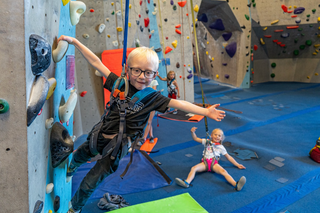
When parents in Miami and Pinecrest look for activities for their children, fitness is often a top priority. Staying active matters. Strength and coordination matter.
But the best youth adventure programs offer far more than physical exercise.
They build confidence.
They teach resilience.
They encourage leadership.
They create community.
At Las Rocas Climbing, youth adventure programs are designed not just to help kids move — but to help them grow.
Here’s why these programs are about much more than fitness.
Physical Activity Is Just the Beginning
Yes, youth adventure programs keep kids active.
Climbing, in particular, helps develop:
-
Strength
-
Balance
-
Coordination
-
Flexibility
-
Endurance
But unlike repetitive workouts, climbing is interactive. Every wall becomes a new challenge. Every route requires a different approach.
Instead of just “burning energy,” kids are learning how to move intentionally.
That difference matters.
Confidence Is Built One Climb at a Time
One of the most powerful benefits of youth climbing programs is confidence.
When a child reaches the top of a wall they once thought was too hard, something shifts.
They realize:
-
Hard things are possible
-
Effort leads to progress
-
Falling isn’t failure
-
Trying again matters
That sense of accomplishment doesn’t disappear when they leave the gym.
It carries into school, friendships, and everyday challenges.
For many families in Pinecrest, this confidence-building element is one of the biggest reasons they explore youth adventure programs.
Resilience Through Safe Challenge
Adventure programs introduce children to manageable risk in a safe, structured environment.
Climbing teaches kids:
-
How to approach a problem calmly
-
How to try multiple solutions
-
How to accept temporary setbacks
-
How to keep going
They may not finish every climb on the first attempt — and that’s the point.
Instead of avoiding difficulty, they learn how to navigate it.
That lesson goes far beyond fitness.
Teamwork and Social Growth
Youth adventure programs are rarely solo experiences.
Even though climbing can be an individual challenge, the environment is collaborative.
Kids encourage each other.
They share strategies.
They celebrate progress together.
Unlike some competitive sports, climbing culture often focuses on personal improvement rather than comparison.
This creates a supportive atmosphere where kids feel safe to grow.
For parents in Miami looking for structured, positive after-school activities, that community aspect can be just as important as physical activity.
Focus and Mental Engagement
In today’s world, many children are surrounded by constant digital stimulation.
Climbing requires something different:
-
Attention
-
Planning
-
Body awareness
-
Problem-solving
Each route is like a puzzle. Where should the next foot go? How should weight shift? Is there a better handhold nearby?
Youth adventure programs encourage kids to slow down and think before they move.
This type of focused engagement strengthens both the body and the mind.
Leadership and Responsibility
Structured youth programs often include:
-
Skill progression levels
-
Group instruction
-
Mentorship from coaches
-
Team-oriented activities
As children grow within the program, they begin to take ownership of their progress.
They set goals.
They support newer climbers.
They develop discipline.
These experiences build leadership skills naturally — without forcing them.
For teens especially, adventure-based programs can provide a constructive outlet for energy while reinforcing accountability.
Safe Exploration in a Structured Environment
Parents often worry about adventure activities being risky.
Indoor climbing gyms are intentionally designed with safety as a priority.
Youth programs include:
-
Supervised instruction
-
Age-appropriate routes
-
Clear safety guidelines
-
Controlled climbing systems
At Las Rocas Climbing, safety and structure go hand in hand with adventure.
Kids experience challenges — but within a carefully managed environment.
That balance allows them to explore their limits confidently.
A Healthy Alternative to Screen Time
Many parents are searching for activities that help reduce screen dependency.
Youth adventure programs provide:
-
Active engagement
-
Real-world interaction
-
Face-to-face friendships
-
Physical movement
Instead of passive entertainment, kids experience accomplishment.
Instead of scrolling, they climb.
Instead of isolation, they connect.
For families in Miami and Pinecrest, this shift toward meaningful activity can make a noticeable difference.
Why Adventure Matters More Than Ever
Fitness is important — but fitness alone doesn’t always keep kids engaged.
Adventure adds:
-
Curiosity
-
Excitement
-
Purpose
-
Motivation
When kids look forward to showing up, consistency follows. And when consistency builds, growth becomes visible.
Youth adventure programs create an environment where effort feels rewarding and progress feels earned.
That combination helps children develop a healthy relationship with challenge — something that stays with them long-term.
Who Benefits Most From Youth Adventure Programs?
These programs are ideal for:
-
Kids who need structured after-school activities
-
Children building confidence
-
Teens looking for positive peer groups
-
Families seeking active weekend experiences
-
Students who thrive in hands-on environments
Whether your child is naturally athletic or just starting to explore movement, structured climbing programs can meet them where they are.
FAQs
Are youth adventure programs only about fitness?
No. While they promote physical activity, they also focus on confidence, teamwork, problem-solving, and personal growth.
Is indoor climbing safe for children?
Yes. With supervised instruction and structured systems in place, indoor climbing is designed to provide challenge within a safe environment.
Do adventure programs help shy kids?
Many children gain confidence and social comfort through supportive group activities and shared accomplishments.
At what age can kids start climbing programs?
Programs are often structured by age group, allowing children to participate at developmentally appropriate levels.
Final Thoughts
Youth adventure programs are not simply another fitness option.
They are environments where kids:
Grow stronger.
Think differently.
Support each other.
Build resilience.
For families in Miami and Pinecrest searching for meaningful, structured activities, climbing offers more than movement.
It offers growth.
At Las Rocas Climbing, adventure isn’t about extreme challenges.
It’s about helping young climbers discover what they’re capable of — one step at a time.
