
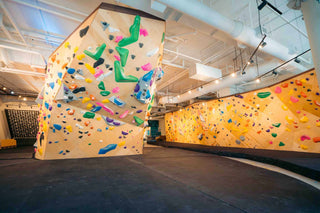
One of the strangest things about climbing is how quickly it humbles people who are otherwise in great shape.
Someone can run marathons, lift regularly, or train consistently for years — then walk into a climbing gym and feel completely inefficient halfway up an easy route.
That’s usually because climbing exposes movement habits most people never think about. Grip tension. Balance. Foot placement. Pacing.
Beginners often assume climbing improvement comes from strength first. In reality, progress usually starts once movement becomes more controlled and less reactive.
For people exploring rock climbing classes in Miami, the right instruction early on can completely change how climbing feels. Not just physically, but mentally too.
Because the best climbing classes don’t simply help people reach the top of the wall. They help climbing stop feeling chaotic in the first place.
Most Beginners Try to Solve Every Route With Strength
This happens constantly.
People get stuck on a route and immediately assume they need stronger arms. So they pull harder, climb faster, and burn through energy almost immediately.
Experienced climbers usually do the opposite.
They slow down. They pause more. They trust their feet earlier. They stay balanced instead of fighting every movement.
That’s the technical side of climbing most beginners don’t expect.
At Las Rocas Climbing & Fitness in South Miami, one of the biggest shifts newer climbers notice is not necessarily becoming stronger. It’s realizing how much easier climbing feels once movement becomes more controlled and deliberate.
And honestly, that realization changes everything.
A Good Beginner Class Should Feel Encouraging, Not Intimidating
A lot of people delay trying climbing because they assume everyone inside the gym already knows what they’re doing.
The reality is usually much less dramatic.
Most beginner climbing classes are full of people:
-
forgetting route sequences
-
missing obvious footholds
-
overthinking simple movement
-
laughing at awkward falls
That shared awkwardness actually helps people relax faster.
For many climbers throughout Coral Gables, Pinecrest, and Coconut Grove, the environment becomes one of the most important parts of the experience. Climbing gyms naturally encourage interaction in a way traditional gyms usually don’t.
People help each other. They exchange advice. They celebrate small progress without the atmosphere feeling overly competitive.
That matters more than most beginners expect.
The Best Coaches Usually Teach Awareness First
Strong climbing instruction rarely starts with complicated technique breakdowns.
The best coaches usually start by helping climbers notice what they’re doing.
Things like:
-
unnecessary grip tension
-
rushed movement
-
poor balance
-
ignoring footholds
-
climbing while overly tense
Most beginners don’t realize how much energy they waste simply because they’re trying too hard.
And honestly, that’s why experienced climbers often look calm on the wall. They’re not fighting movement constantly.
Good instruction speeds up that learning process significantly.
Instead of spending months reinforcing inefficient habits, climbers start understanding how movement actually works much earlier.
Group Classes and Private Coaching Create Different Experiences
A lot of online advice oversimplifies this discussion.
Group classes are not automatically “better for beginners,” and private coaching is not only for advanced climbers.
They simply support different types of learning.
Group classes usually work well for people who:
-
enjoy collaborative environments
-
stay motivated socially
-
want consistency
-
prefer lower-pressure progression
Private coaching tends to work better for climbers who:
-
want faster technical correction
-
prefer individualized instruction
-
feel stuck at a plateau
-
want highly specific movement feedback
Some climbers throughout South Miami eventually combine both. They attend regular group classes for consistency and community, then add occasional private sessions for focused technical refinement.
That combination often works extremely well over time.
As discussed in our guide on group vs private rock climbing lessons, the best learning environment usually depends more on personality than skill level.
The Right Class Should Challenge You Without Making You Frustrated
One mistake newer climbers make is joining classes that are too advanced too early.
That usually creates frustration instead of progress.
When people spend entire sessions simply trying to survive routes, they stop paying attention to movement quality completely.
A strong beginner or intermediate climbing class should feel manageable enough that climbers can focus on:
-
pacing
-
balance
-
foot placement
-
positioning
-
movement control
You should leave feeling challenged, but not defeated.
That distinction matters more than people realize.
Technique Clinics Usually Become More Valuable Later
At some point, most climbers plateau.
Routes stop feeling impossible, but progress slows down noticeably. That’s usually when smaller weaknesses become more obvious:
-
hesitation during movement transitions
-
inefficient foot swaps
-
poor route reading
-
unnecessary tension
Technique clinics become valuable because they isolate those details intentionally.
And interestingly, this is usually the stage where people stop viewing climbing purely as fitness and start appreciating it as a skill.
That shift changes the way climbers approach training completely.
Environment Shapes Progress More Than Most People Expect
People improve faster in places where they feel comfortable returning consistently.
That sounds simple, but it matters.
Some gyms feel intimidating. Others feel disconnected or overly performance-focused. The strongest climbing environments usually feel supportive without trying too hard to manufacture community artificially.
That’s one reason indoor climbing continues growing throughout Miami and South Miami. Compared to traditional gyms, climbing spaces naturally create more interaction.
People talk more. Collaborate more. Encourage each other more.
For beginners especially, that changes the entire experience.
Recovery Starts Affecting Technique Earlier Than People Think
One thing newer climbers underestimate is how quickly fatigue affects movement quality.
Once people get tired, technique usually disappears first.
Footwork becomes sloppy. Grip tension increases. Movement gets rushed instead of controlled.
That’s why many climbers eventually add:
-
yoga
-
mobility work
-
sauna recovery
-
cold plunge sessions
-
functional strength training
not just for recovery, but because recovery directly affects movement consistency.
A climber who moves well while fresh but struggles once fatigued usually needs pacing and recovery work just as much as technical coaching.
When Climbing Finally Starts to Click
Some people start climbing because they want a different workout.
Others start because they miss learning something challenging as an adult.
But the people who continue long-term usually experience the same shift eventually: climbing stops feeling random.
Movement becomes more intentional. Routes become more readable. Small improvements start becoming noticeable from week to week.
That’s usually when climbing becomes genuinely satisfying instead of just physically difficult.
Ready to try it for yourself?
Come experience Las Rocas Climbing & Fitness at 9600 S Dixie Hwy, South Miami. First-timers get a free day pass — no commitment, no pressure. Just show up and climb.
