
A lot of people sign up for climbing classes expecting instruction.
What they usually don’t expect is how quickly climbing exposes habits they’ve never paid attention to before.
People realize they hold tension constantly. They rush movement when they get uncomfortable. They stop breathing properly the moment a route feels difficult. Then over time, climbing forces them to slow down and move more deliberately.
That’s part of why climbing feels so different from traditional workouts.
For people exploring rock climbing classes in Miami, the question usually isn’t whether classes teach climbing. Of course they do.
The real question is whether structured instruction changes the overall experience enough to make climbing feel more approachable, more enjoyable, and easier to stick with long-term.
And honestly, for most beginners, it usually does.
Most Beginners Underestimate How Technical Climbing Feels
At first glance, climbing looks very strength-focused.
Then people actually try it.
That’s usually when beginners discover they’re gripping holds too hard, climbing too quickly, and relying almost entirely on their upper body. Routes that looked manageable from the ground suddenly feel exhausting halfway through.
Experienced climbers rarely move that way.
They pause more. They trust their feet earlier. They stay balanced instead of tense.
And none of that feels obvious at first.
That’s one of the biggest advantages of climbing classes. Good instruction helps people recognize inefficient movement before those habits become difficult to correct later.
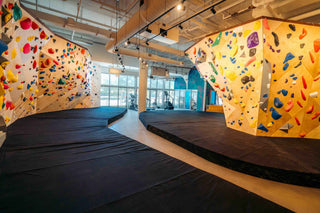
At Las Rocas Climbing & Fitness in South Miami, newer climbers are often surprised by how quickly small technique adjustments improve endurance. Something as simple as better foot placement can completely change how difficult a route feels.
Classes Usually Build Confidence Before Strength
This catches a lot of people off guard.
Most beginners assume classes mainly improve physical ability. In reality, the first major improvement is usually confidence.
Climbing feels uncomfortable early on because movement feels unfamiliar. People hesitate halfway through routes. They overthink every foothold. They second-guess decisions constantly.
Then repetition starts changing that.
Routes stop feeling intimidating. Movement becomes calmer. Falling feels less dramatic.
That confidence shift matters because climbing is mental as much as physical.
For many climbers throughout Coral Gables, Pinecrest, and Coconut Grove, the hardest part is not strength. It’s becoming comfortable enough on the wall to move naturally instead of reacting nervously to every move.
Classes speed that process up considerably.
Group Classes Feel More Supportive Than Most People Expect
A lot of first-time climbers worry group classes will feel intimidating.
Usually the opposite happens.
People relax quickly once they realize everyone else is figuring things out too.
Someone forgets a route sequence halfway through a climb. Someone else misses an obvious foothold. Another climber gets stuck because they’re overthinking every movement.
That shared awkwardness actually creates a very supportive environment.
And honestly, climbing communities tend to feel very different from traditional gyms. People interact more. They encourage each other more. Progress feels collaborative instead of isolated.
For many beginners throughout South Miami and surrounding areas, that environment becomes one of the biggest reasons they continue climbing consistently.
Private Coaching Helps Different Types of Climbers
Private instruction changes the learning experience quite a bit.
Instead of general guidance, coaching becomes highly individualized:
-
movement efficiency
-
pacing
-
positioning
-
route reading
-
technical correction
An experienced coach can usually identify inefficient habits almost immediately.
Sometimes the adjustments are surprisingly small:
-
relaxing grip tension
-
slowing movement down
-
trusting footholds earlier
-
adjusting hip positioning
But those small changes often make climbing feel dramatically smoother.
Private coaching tends to work especially well for climbers who:
-
want faster progression
-
prefer one-on-one learning
-
feel stuck at a plateau
-
want more personalized feedback
As explored in our guide on group vs private rock climbing lessons, both approaches work well — they simply support different learning styles.
Classes Usually Prevent Months of Frustration Later
One thing climbing classes do extremely well is reduce unnecessary trial and error.
Without instruction, beginners often spend months reinforcing habits that make climbing harder:
-
over-gripping holds
-
rushing movement
-
ignoring foot placement
-
relying entirely on upper-body strength
The problem is those habits eventually slow progress significantly.
Classes help correct inefficient movement early while patterns are still adaptable.
That usually makes climbing feel more enjoyable long-term because improvement starts feeling more consistent instead of random.
The Real Value Isn’t Just About Technique
Most people sign up expecting climbing instruction.
What they don’t expect is how much the environment itself affects consistency.
Climbing gyms naturally encourage interaction:
-
people exchange route ideas
-
celebrate progress
-
help each other solve movement problems
-
encourage newer climbers constantly
That’s a major reason indoor climbing has continued growing across Miami and South Miami. Compared to traditional gyms, climbing feels far more interactive and less repetitive.
People aren’t just exercising.
They’re participating in something.
And honestly, for a lot of beginners, that’s ultimately what keeps them coming back.
Classes Aren’t Necessary Forever — But They Usually Accelerate Progress
Most climbers eventually become more independent.
They start reading routes more confidently, recognizing movement patterns faster, and correcting mistakes more naturally on their own.
But early instruction usually speeds up that learning curve considerably.
Even a few months of structured climbing classes can create a much stronger foundation than trying to figure everything out independently from the beginning.
And honestly, experienced climbers can usually tell when someone learned movement fundamentals properly early on.
The difference becomes obvious over time.
Why Membership Usually Becomes the Next Step
Most people don’t plan on getting a climbing membership when they first start.
They come in for a class, try a few routes, maybe rent gear once or twice, and assume climbing will just be an occasional activity.
Then consistency changes things.
Routes that once felt impossible suddenly feel manageable. Movement starts feeling smoother. Climbers begin recognizing familiar faces, building routines, and wanting more time on the wall instead of less.
That’s usually the point where memberships start making sense.
A rock climbing gym membership at Las Rocas gives climbers regular access to climbing walls, fitness and recovery spaces, discounted instruction, and a community environment that makes it easier to keep progressing consistently.
And honestly, consistency is usually what separates people who “try climbing once” from people who genuinely improve and enjoy it long-term.
Thinking about climbing more consistently?
Las Rocas Climbing & Fitness offers memberships designed for beginners, regular climbers, and anyone looking for a more engaging alternative to traditional gyms in South Miami.
Visit us at 9600 S Dixie Hwy, South Miami and explore climbing, fitness, yoga, and recovery spaces all under one roof.
